Rust solo survival guide that turns a one-man wipe into a revenge raid win
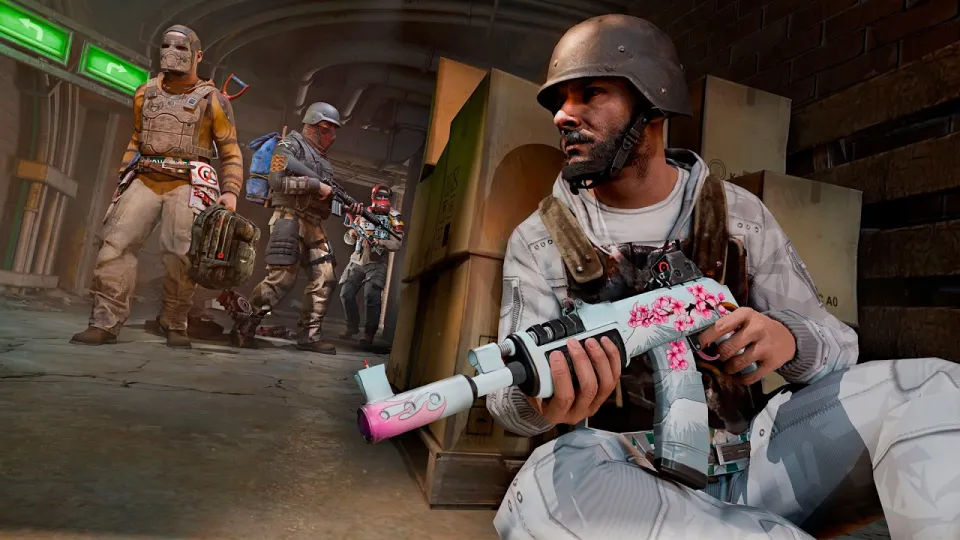
Video: THE SOLO MENACE – Rust
You can order the same kind of articles for your own video to boost it on YouTube and Google. Just message the Telegram bot @sat_sit_bot. It writes articles around your video, embeds the video and publishes them on popular niche websites (no ads). Try it free: 50 articles on us.
Rust solo play is a survival discipline, not a handicap: you win by building a base that costs a raider more to break than it cost you to make, farming sulfur before components, and turning every lost fight into a revenge raid on the group that killed you. A solo player who controls those three things can hold ground against clans of four to eight on a high-population server. SPiiCY's solo run, THE SOLO MENACE, is a practical demonstration of exactly that loop, and the RustEasy bonus page covers the server-side tools that make the routine faster.
What solo Rust actually demands from a player
Solo Rust is a resource-management game disguised as a shooter. On a wiped server with several hundred players online, every group you meet has more hands, more respawns and more explosives than you do, so the only advantages left are time, information and base efficiency.
The practical priorities, in order:
- Secure a sleeping bag and a small stash within the first ten minutes of a wipe, before the beach becomes a killing field.
- Upgrade to a 1x1 or 2x1 starter with a sheet metal door and an airlock before you craft your first gun.
- Farm sulfur and metal fragments on a fixed route; components are worthless if you cannot turn them into explosives or ammunition.
- Keep a second, hidden base or a stash far from your main so a single raid does not end your wipe.
- Learn the recoil pattern of one weapon properly instead of spraying with four different guns.
Groups win through numbers; solos win through preparation. That is the entire thesis of solo progression in Rust, and it is why experienced solo players spend the first hour of a wipe building rather than roaming.
Base design is the real solo weapon
A solo base in Rust should be cheap, layered and annoying to raid. The goal is not to be unraidable, because nothing is unraidable against a determined clan with enough rockets; the goal is to make the cost of the raid exceed the value of what is inside.
Design principles that work on any server:
- Multiple loot rooms. Split your best loot across two or three small rooms so a single wall breach does not expose everything.
- Fake and empty rooms. Raiders path toward the cheapest door; give them a corridor of sheet metal doors that leads to a locked empty room.
- Vertical separation. Put your tool cupboard and main loot on different floors, ideally with a jump-up or ladder requirement between them.
- Trap elements. Shotgun traps behind doors and a turret covering the entrance turn a raid into a fight the raider did not plan for.
- Compact footprint. A small base is easier to defend alone and cheaper to rebuild after a wipe-day raid.
The base SPiiCY uses in his solo content follows the same logic, and the full build tutorials are collected on his Patreon membership page for players who want the exact layouts rather than the principles.
Progression order for a solo wipe
Progression in Rust is a queue, and doing it out of order is how solos lose wipes. The sequence that consistently works:
- Tools and a base first. Stone tools, a furnace, a workbench level one and a secure door.
- Weapons second. A crossbow or compound bow is enough to contest monuments early; a revolver or custom SMG comes after the base is sealed.
- Workbench level two and explosives third. This is the turning point, because a solo with satchels and rockets can start taking loot instead of only losing it.
- Monuments and cards last. Keycards and high-tier monuments are group territory on wipe day; farm them at low-population hours instead.
Farming efficiency matters more than raw playtime. A solo who runs a tight route through a road, a mining outpost and a recycler will out-earn a group that wanders, because recycling components into scrap and metal is where the real value is created. Frame rate matters too: the Hypertune download is the FPS tool SPiiCY promotes for smoother PvP in crowded fights.
Revenge raids and PvP discipline
Revenge raiding is the solo player's equalizer. When a group kills you and takes your loot, they usually carry it straight home to a base that is still under construction, with doors that are not yet upgraded and loot rooms that are not yet split. Hitting that base within the next hour or two is far cheaper than raiding a finished clan compound later in the wipe.
How to run it:
- Note the direction and the gear of the players who killed you; groups rarely travel far from their base on foot with heavy loot.
- Scout the area from a distance and look for the tell-tale signs: furnace smoke, a half-built shell, a single door on a large foundation.
- Bring exactly enough explosives for the path you scouted, plus extra for a counter-raid.
- Take the tool cupboard first if you can reach it; authorized players cannot build defenses while you are inside.
- Move the loot to a stash immediately instead of carrying it back in one trip.
PvP discipline is the other half: fight only when you have a retreat, avoid open-field duels against multiple players, and treat every death as a scouting opportunity rather than a loss.
Questions solo players ask most
Solo players consistently raise the same three doubts, and each has a practical answer. The first is whether solo play is even viable against clans; it is, but only with a base that punishes raiders and a farming routine that funds explosives. The second is whether to roam or to farm; the honest answer is that roaming is a reward for finishing your farm, not a substitute for it. The third is whether to play on high-population servers; high pop means more danger but also more unfinished bases, more abandoned loot and better revenge-raid targets.
The base design question comes up constantly as well. Viewers repeatedly ask for the exact build shown in solo videos, which is why the layouts are published separately as tutorials rather than explained in passing during gameplay.
All links from the video
- RustEasy bonus and registration: https://rseasy.com/spiicy
- Base design tutorials and membership: https://www.patreon.com/c/spiicyrust/membership
- Patreon join page: https://www.patreon.com/join/spiicyrust
- Hypertune FPS tool: https://hptn.gg/spiicy
- Discord community: http://discord.gg/HZjW3RYMGA
Final takeaway
Solo Rust rewards players who treat the wipe as a logistics problem before a shooting problem. Build small and layered, farm sulfur before you farm glory, and convert every death into a revenge raid on a base that is still vulnerable. SPiiCY's solo breakdown is a clean illustration of that loop, from starter base to raid defence, and it is worth watching for the decision-making as much as the fights. If you want the tools and layouts behind it, start with the RustEasy bonus page and work through the base tutorials before your next wipe.
Key takeaways
- Solo Rust means fighting groups of two to eight players with only your own loot and respawn timer to rely on.
- A compact, multi-layered solo base costs far less to build than it costs a raider to break, which is the core of trap base design.
- Revenge raiding works best within the first hours after a wipe, while raiders are still hauling loot back to unfinished bases.
- Farm sulfur and metal fragments before you farm components; explosives decide who owns the map on day one.
- SPiiCY's solo breakdown links a RustEasy bonus at rseasy.com/spiicy and base design tutorials on Patreon.
Source: THE SOLO MENACE – Rust · Markdown version
Questions & answers
Is solo Rust actually viable against clans?
Yes, but not by fighting clans head-on. Solo players stay viable by building cheap layered bases that cost more to raid than they hold, farming sulfur and metal on a fixed route, and only taking fights where they have a retreat. Numbers win open fields; preparation wins wipes.
How do I stop getting raided as a solo player?
You cannot stop raids entirely, but you can make them unprofitable. Split loot across several rooms, add fake rooms and empty corridors, place shotgun traps and a turret at the entrance, and keep a hidden stash or second base so one raid does not end your wipe.
What should a solo player farm first in Rust?
Secure a base and tools first, then farm sulfur and metal fragments rather than components. Explosives decide who controls the map early, and a solo with satchels or rockets can start taking loot instead of only losing it. Components and scrap come after the base is sealed.
What is a revenge raid and why does it work?
A revenge raid is hitting the base of the group that just killed you, ideally within a couple of hours while their doors are still unupgraded and their loot is unsplit. Scout for furnace smoke and half-built shells, bring just enough explosives, and take the tool cupboard first so defenders cannot rebuild.